
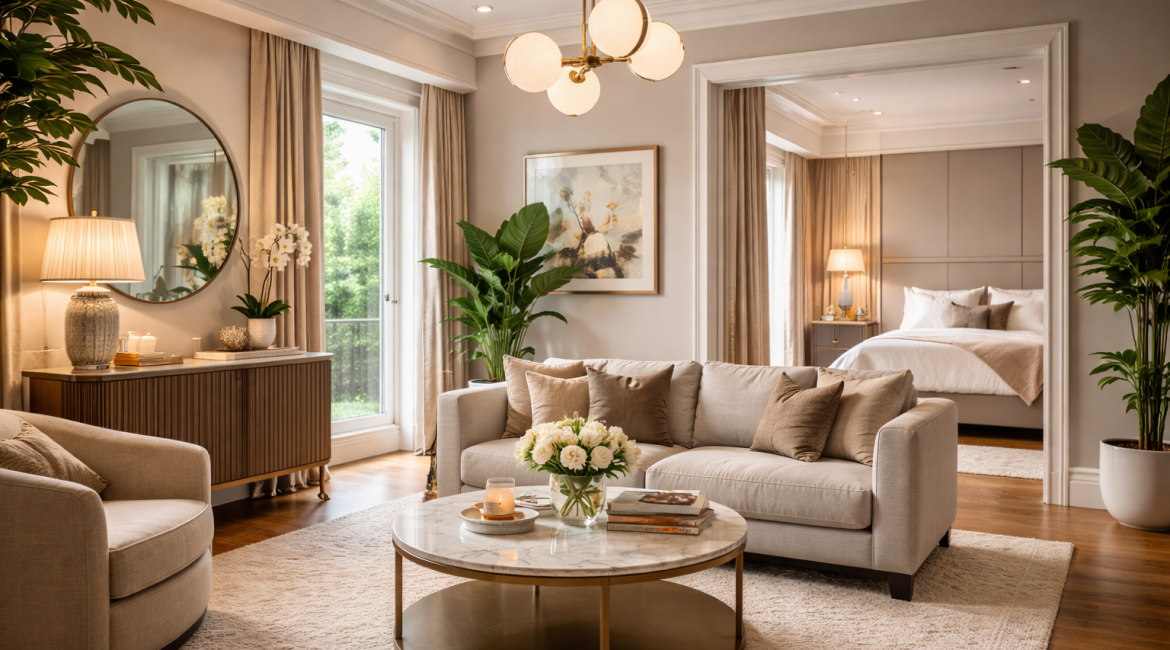
There is a specific kind of magic that happens the moment you cross the threshold of a well designed boutique hotel. Whether I am checking into a cosy retreat by the sea in Cornwall or a modern apartment in a busy European city, I notice a quick change in my mood.
The atmosphere feels lighter, the outside noise fades away, and for a few days, life feels simpler. I used to believe this feeling was just because I was on a holiday, but later I realised it comes from careful, thoughtful design.
According to Mordor Intelligence, more people in the UK are seeking high-quality hotel experiences, with 7.98% growth expected in the hospitality market in 2026. This change shows how much our mental well-being depends on the spaces we live and relax in. As people focus more on restorative environments, the demand for these experiences continues to rise.
These places are made to help us feel cared for, and we can use the same ideas in our everyday lives.
At People Max, we help you live with more intention by creating spaces that encourage a calm, balanced lifestyle.
Boutique Hotel Design Ideas For Luxurious Home
Here are the seven boutique hotel design ideas for your luxurious home:
1. Scent Your Space to Trigger Instant Relaxation
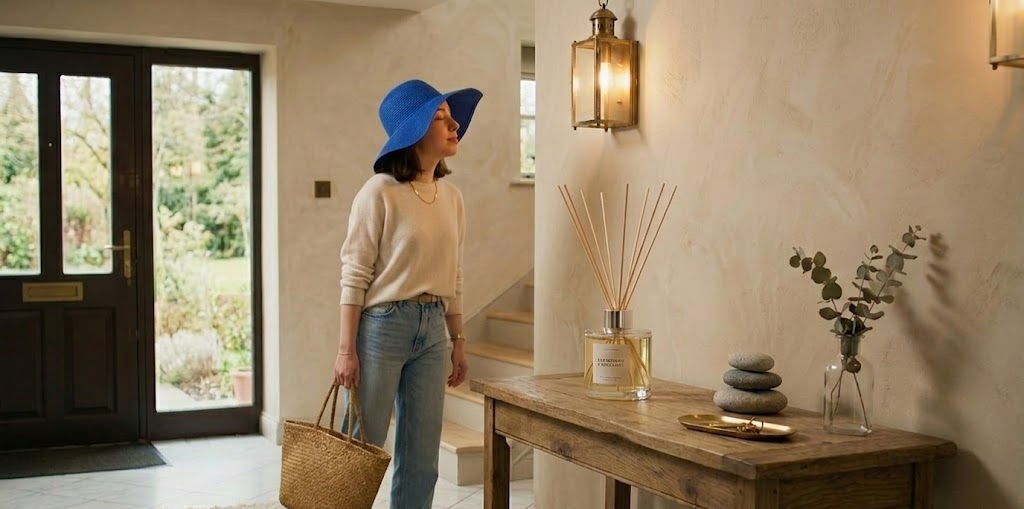
When I think about my favourite places to stay, I always remember the smell first, not the furniture. In recent times, I visited a wellness lodge that smelled like cedarwood and bergamot. Now, whenever I catch a whiff of these scents, I feel instantly relaxed. Hotels use specific scents because they know smell can help people relax quickly.
At home, we often overlook this or use one candle when guests come over. However, prioritising your home’s aroma is becoming the norm, with around 70% of UK adults using home fragrance products as part of their wellness routine in 2026. This trend highlights the growing recognition of scent as a tool for stress relief and mental clarity.
To make the hallway feel more like a hotel, I started using high-quality reed diffusers. Now, the first breath I take when I walk in signals that work is done.
Choosing a signature scent for your home helps separate your peaceful living space from the busy outside world.
2. Give Your Walls Depth and Texture
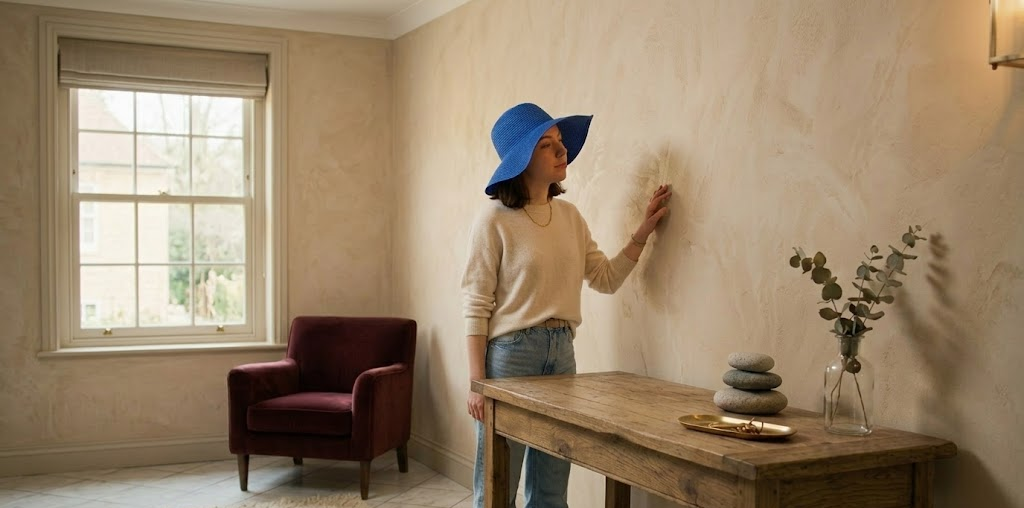
One thing I began noticing in boutique hotels, from London townhouses to coastal hideaways, was the walls. They were never just painted. There was always depth, a softness to the way light moved across the surface.
When I finally asked about it, I learned many of these spaces use clay or Venetian plaster finishes. The texture is subtle but transformative, creating a calm, cocooning feel that ordinary paint just cannot replicate.
Back home, I found out that specialist studios such as Evoke Polished Plastering create similar handcrafted finishes for residential spaces. It is one of those details you do not immediately notice, but once you do, it changes how a room feels entirely.
Moving away from flat, matte paints to textured materials can transform your walls. This change prevents the walls from appearing boxy. Instead, they become a lively part of the room, catching sunlight in the morning and shining under lamps at night.
3. Master the Art of Layered Lighting
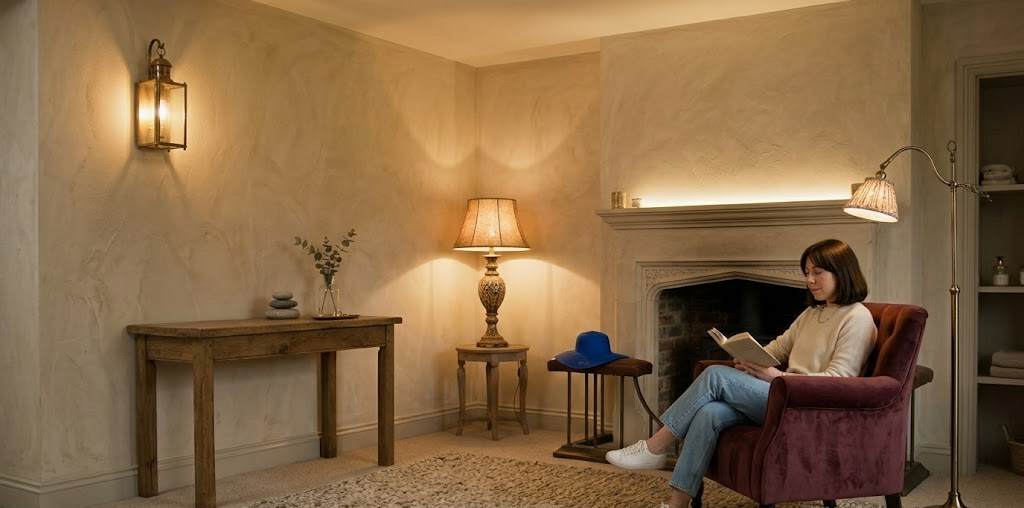
Big overhead lights can ruin the mood in a home. You won’t find many high-end hotel suites using just a single ceiling light. One key lesson from European city apartments is how many lamps they use in corners. They know that lighting should create cosy zones rather than brighten the whole room.
I follow a no-overhead-light rule in my house after 6 PM. Instead, I use a mix of floor lamps for reading, small table lamps on side tables, and also plug-in wall sconces. This layering helps control the room’s energy. Low lighting feels like the sunset, which helps your body prepare for sleep.
If you want your living room to feel like a sophisticated lounge, turn off the ceiling light and get three or four low-wattage lamps at different heights.
For clearer guidance on creating the perfect mood through these three essential tiers, take a look at this lighting guide that helps you master the balance of warm light in every corner.
4. Invest in the Perfect White Cloud Bed
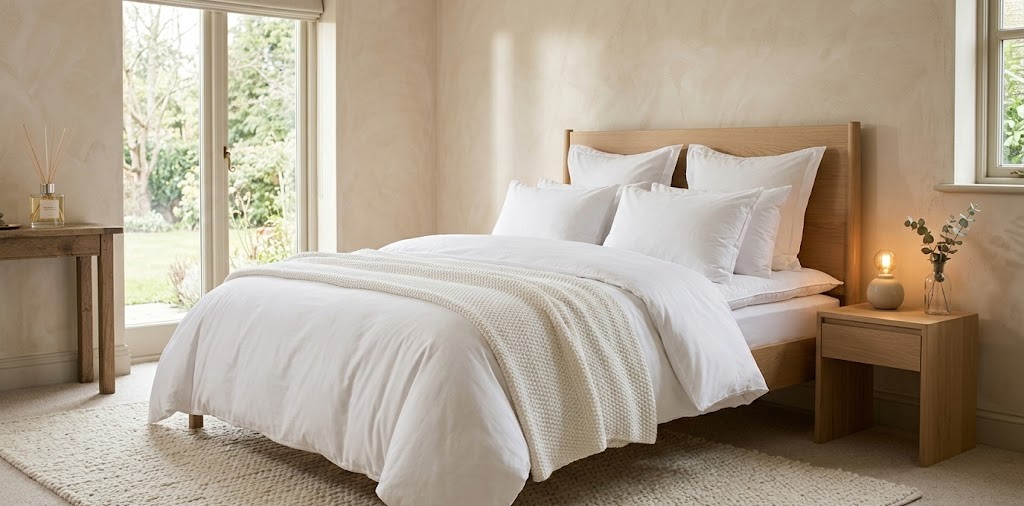
People spend about a third of their lives in bed, yet many of them use scratchy sheets or worn-out pillows. Hotel beds feel so comfortable because they use high-quality cotton and a specific layering technique. Numerous boutique hotels prefer crisp white sheets because they look clean and fresh.
To improve my bedroom, I decided to recreate the cosy, cloud-like feel. I replaced my patterned bedding with 400 thread count Egyptian cotton and just added a down feather topper to my mattress. It’s also useful to consider the weight of your duvet. Hotels often use a heavier duvet to create a snug, secure feeling that makes you want to snuggle in.
When your bed feels inviting, your sleep quality gets better, and going to bed becomes something you look forward to.
5. Curate Your Daily Rituals with Open Shelving
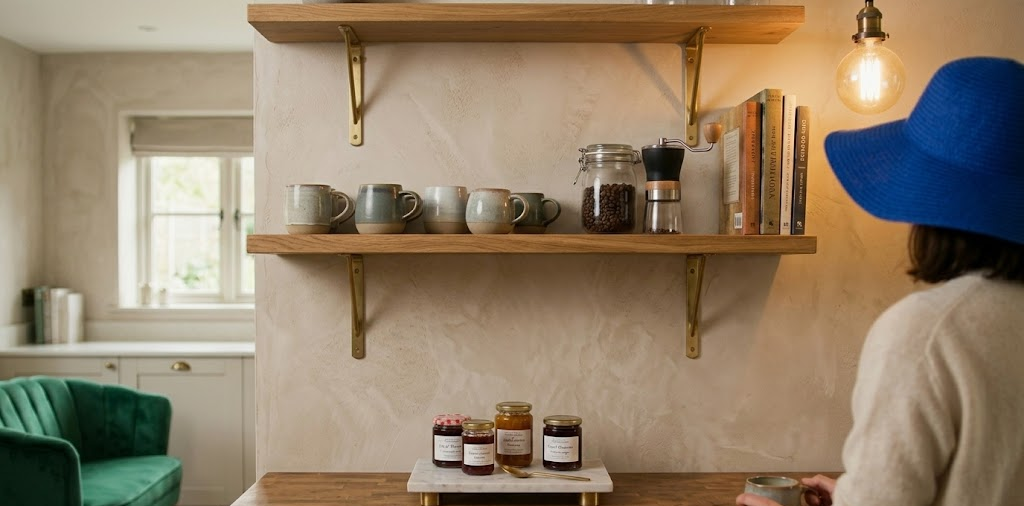
In a hotel bathroom or coffee station, everything you need is easy to find and arranged perfectly. You don’t have to search through a messy drawer for a spoon or a hairdryer. I call this curated convenience because it removes small hassles that can cause stress.
I started using open shelves for my most-used items. In the kitchen, I keep my coffee beans, favourite mugs, and a small tray of syrups on the counter like a little cafe. In the bathroom, my daily skincare products sit on a tiny marble stand instead of being hidden in a cabinet.
By displaying these items neatly, you turn a chore into a mindful moment. This boosts you to keep only what you love and use, which naturally reduces visual clutter.
6. Introduce Nature on a Grand Scale
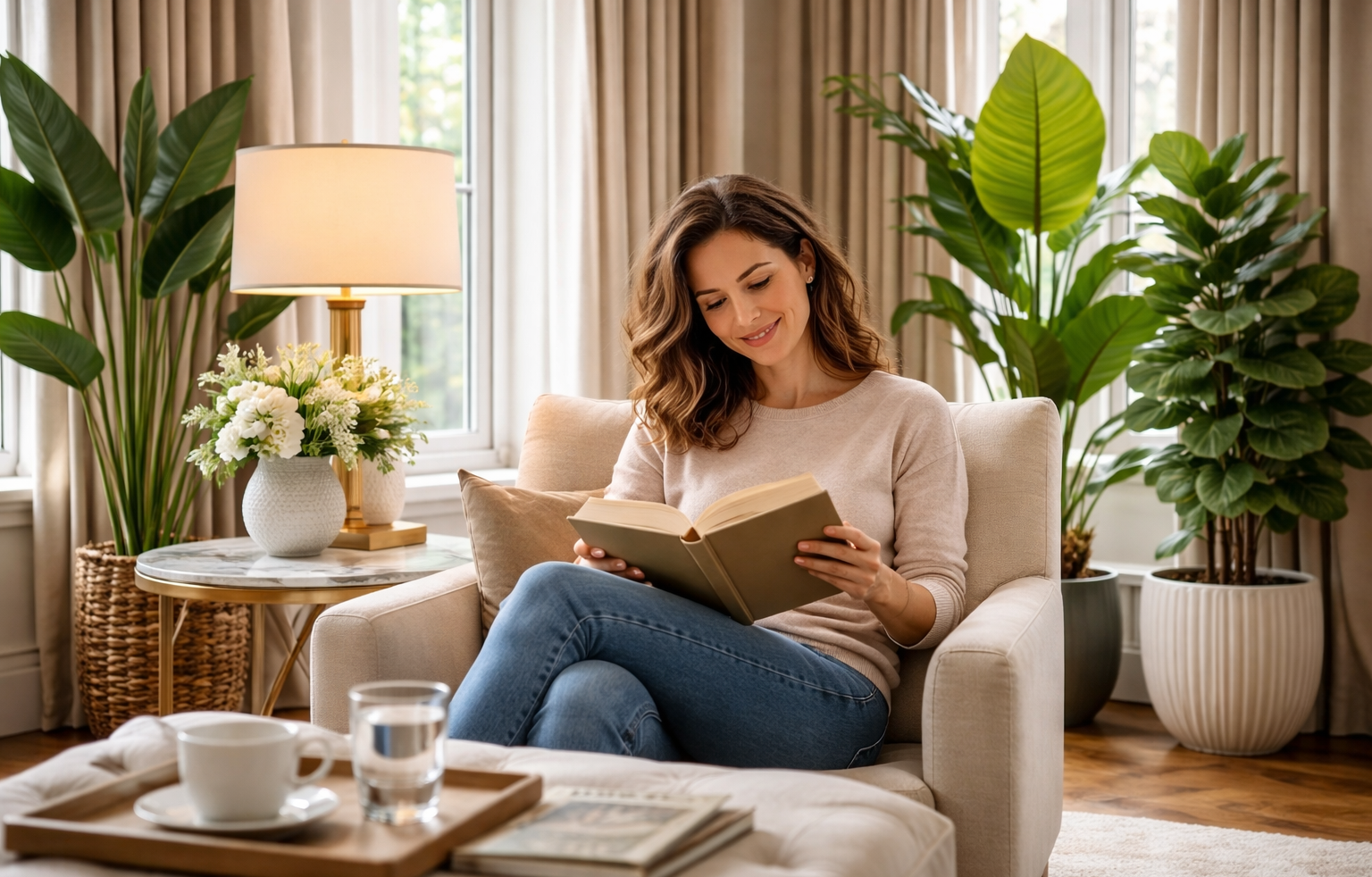
In the lobby of a coastal retreat, you often see large plants instead of modest ones. Instead of a tiny succulent, you might find a big olive tree in a terracotta pot or a tall palm that reaches the ceiling. Using large plants makes indoor greenery feel intentional and stylish.
I used to have many small plants that looked messy. Now, I choose one or two large plants. A tall Fiddle Leaf Fig or a lush Monstera in a corner adds life and height to the room. These plants not only improve air quality, but they also bring a bit of nature inside. This is important for our well-being in the UK, especially when the weather keeps us indoors for a lot of the year.
7. Focus on Tactile Comfort Underfoot
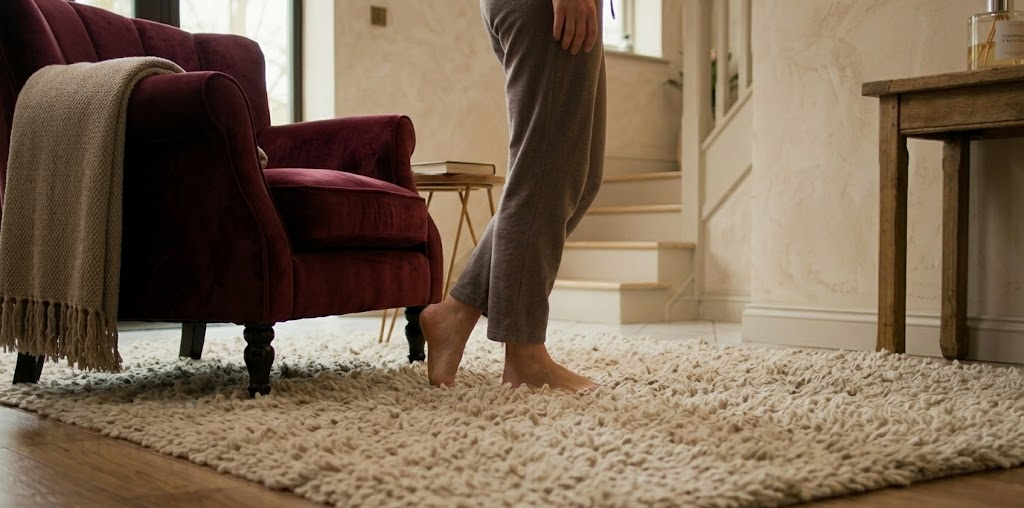
Moving from a hard floor to a soft rug can significantly change how a space feels. Hotels often use thick carpets or large rugs that extend beyond furniture. This design makes the area feel more inviting and cosy.
At home, I chose to replace smaller rugs with a big, textured wool rug that sits under the front legs of my sofa and chairs. This setup gives the room a grounded feel and creates a cosy seating area. Walking barefoot on a soft surface at the end of a long day is a tiny luxury that helps you feel more relaxed and at home.
My Final Thoughts
You can create a boutique hotel feel at home without spending much. Focus on sensory details, such as textured walls and pleasant scents at the door. These elements help your space promote relaxation and recovery.
This weekend, improve one detail and notice how it impacts your feelings about your environment.
If you are ready to refine your daily environment and embrace a more intentional way of living, please visit our contact page to get started on your journey.